Trauma Therapy North Dallas
1400 Preston Rd 4th Floor
Plano, Tx 75093
email: Renee.AustinLPC@gmail.com
“Breakthroughs Begin With Awareness”
Trauma is woven into the fabric of many lives. While we often think of trauma as a single catastrophic event, it can also arise from emotional neglect, betrayal, chronic stress, attachment wounds, or experiences that left us feeling powerless, unseen, or alone.
Often, it is not only what happened that shapes us, but the meaning we made of those experiences. Trauma can leave us carrying beliefs about ourselves, others, and the world that once helped us survive but no longer serve us. These patterns may show up as anxiety, depression, shame, relationship difficulties, addiction, dissociation, or feeling disconnected from ourselves.
Healing is not about pretending the past didn’t happen. It is about gently turning toward our experiences with curiosity rather than judgment. Before healing, we may find ourselves carrying anger toward ourselves, others, or life itself. As healing unfolds, those same experiences can begin to transform—not because they were good, but because we discover they no longer define us.
Through evidence-based trauma therapies, and when appropriate, psychedelic-assisted psychotherapy, many people experience profound shifts in perspective. They begin asking different questions—not “Why did this happen to me?” but “Could this be one of the greatest teachers of my lifetime? What is it asking me to learn?”
Healing is not forgetting the past. It is reclaiming your capacity to live fully in the present, reconnect with yourself and others, and move forward with greater freedom, wisdom, and compassion.
Renee Austin LPC-S EMDR CIT
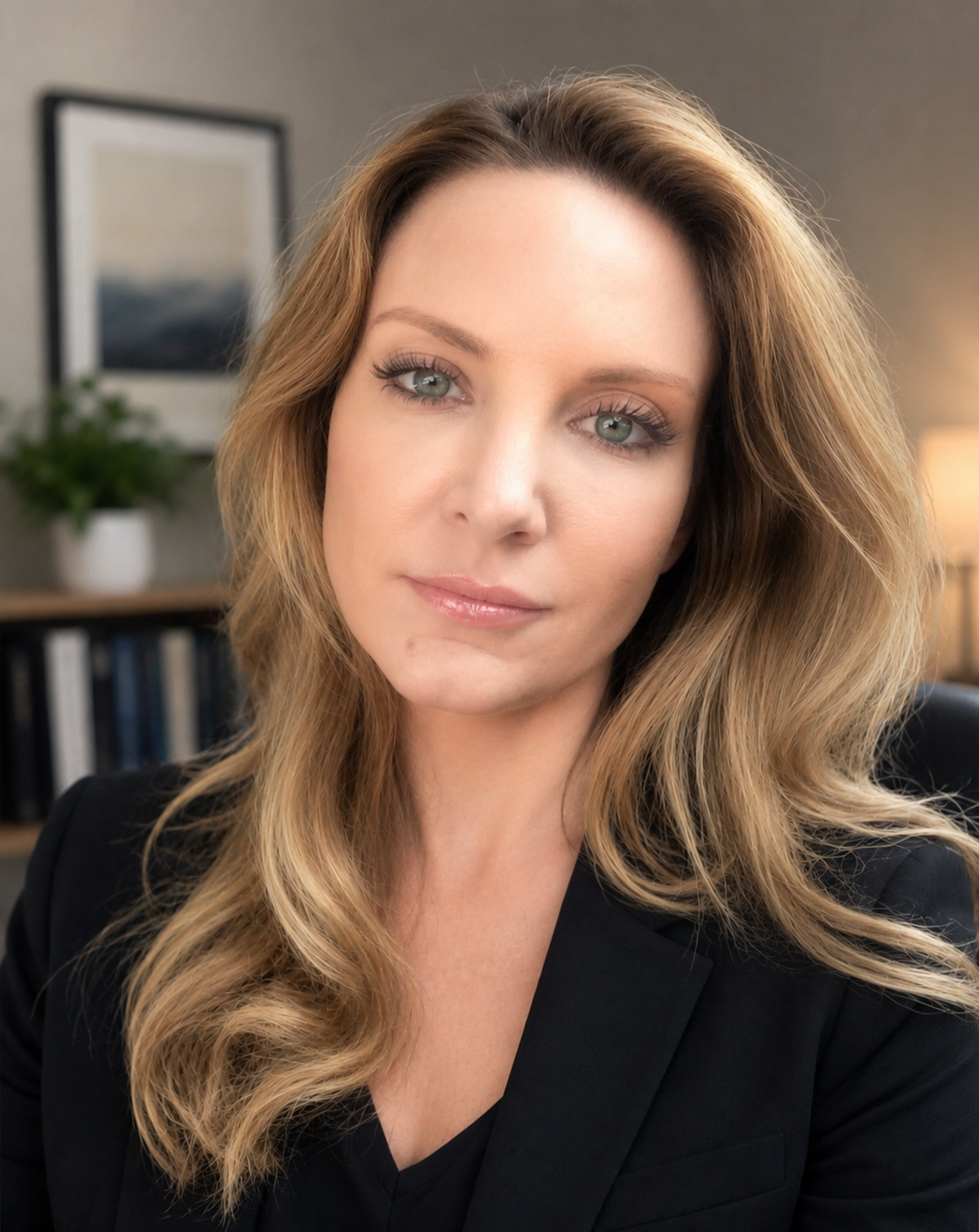
I am a Certified EMDR Therapist, EMDR Consultant in Training, and trained in Internal Family Systems (IFS), Accelerated Resolution Therapy (ART), Polyvagal-Informed Therapy, somatic interventions, and psychedelic-assisted psychotherapy. I specialize in treating PTSD, complex trauma, dissociative disorders, attachment wounds, domestic violence, anxiety, depression, and recovery from high-control relationships and cults.
Rather than relying on a single therapeutic approach, I tailor treatment to each individual. Trauma impacts the brain, nervous system, body, emotions, beliefs, and relationships. Because of this, healing often requires multiple evidence-based approaches working together to restore safety, connection, and resilience.
EMDR (Eye Movement Desensitization and Reprocessing) helps the brain reprocess traumatic memories so they no longer feel emotionally overwhelming. EMDR is one of the most extensively researched and effective treatments for trauma and PTSD.
Internal Family Systems (IFS) helps clients understand and heal the protective parts of themselves while strengthening their core Self—cultivating greater self-compassion, emotional balance, and inner leadership.
Accelerated Resolution Therapy (ART) is a brief, evidence-based therapy that can rapidly reduce distress by changing the way traumatic memories are stored, often without requiring clients to repeatedly recount painful experiences.
Polyvagal and somatic therapies recognize that trauma is stored not only in our memories, but also within the nervous system and body. By increasing awareness of physiological states and restoring a sense of safety, clients develop greater emotional regulation, resilience, and the ability to connect more fully with themselves and others.
Psycholytic Therapy is a form of psychedelic-assisted psychotherapy that utilizes low to moderate doses of psychedelic medicine to enhance—not replace—the therapeutic process. Rather than producing a full psychedelic experience, psycholytic therapy helps soften psychological defenses, increase emotional openness, and deepen access to memories, emotions, and internal experiences while clients remain actively engaged in psychotherapy. When clinically appropriate and legally available, I integrate psycholytic therapy with EMDR, IFS, somatic interventions, and Polyvagal-informed therapy. Careful preparation, intentional integration, and the therapeutic relationship remain the foundation of lasting healing, allowing insights gained during treatment to become meaningful and sustainable change.
Psychedelic-assisted psychotherapy, when clinically appropriate can facilitate profound insight, increased psychological flexibility, and access to emotions or perspectives that may be difficult to reach through talk therapy alone. Thoughtful preparation and integration help transform these insights into lasting change. KAP or Ketamine Assisted Psychotherapy is available in the office or at home.
Together, these approaches support healing at every level—mind, brain, body, nervous system, and relationships—helping clients move beyond symptom management toward greater freedom, authenticity, self-compassion, and lasting transformation.
WHAT’S THE DIFFERENCE BETWEEN KETAMINE AND PSILOCYBIN?
Ketamine-Assisted Psychotherapy (KAP) combines ketamine with psychotherapy to help individuals move beyond patterns of depression, trauma, anxiety, and emotional rigidity. Ketamine temporarily increases the brain’s capacity for change, often allowing clients to experience greater psychological flexibility, reduced self-criticism, and new perspectives that may feel difficult to access through talk therapy alone. Healing comes not from the medicine itself, but through thoughtful preparation, skilled therapeutic support, and intentional integration of the insights that emerge.
Psilocybin-Assisted Psychotherapy utilizes psilocybin, when legally available and clinically appropriate, as a catalyst for profound emotional healing and personal growth. Research suggests psilocybin may reduce rigid patterns of thinking, increase feelings of connection and self-compassion, and facilitate the processing of unresolved trauma. Many individuals describe experiencing greater clarity, meaning, and perspective, allowing them to reconnect with themselves and the people they love. Lasting transformation occurs through careful preparation, a safe therapeutic environment, and integration that helps translate insight into meaningful, sustainable change.
https://www.psychologytoday.com/profile/160557
Animal Support letter advocate.
IN PERSON THERAPY
Age:
Adults 18+
April Marin LCSW
April Marin LCSW KAP
April believes healing occurs when clients feel genuinely seen, understood, and safe enough to explore their experiences without fear of judgment. She provides a warm, collaborative, and trauma-informed environment where clients can process difficult experiences, build resilience, and reconnect with their authentic selves.
She works with individuals and couples experiencing trauma, anxiety, depression, relationship challenges, life transitions, grief, and difficulties with emotional regulation. April integrates evidence-based therapies—including EMDR, Cognitive Behavioral Therapy (CBT), Dialectical Behavior Therapy (DBT), and Internal Family Systems (IFS)—to tailor treatment to each client’s unique needs and goals.
As a Ketamine-Assisted Psychotherapist, April also helps clients prepare for and integrate ketamine experiences into the therapeutic process. By combining evidence-based psychotherapy with thoughtful preparation and integration, she supports clients in transforming insight into meaningful, lasting change.
April believes healing is not about becoming someone different—it is about rediscovering the resilience, wisdom, and strengths that have been within you all along.
In Person and Virtual Therapy
Couples Therapy
Age:
Adults and Children 13 and up
Dr Cara Whedbee

Dr. Cara Whedbee, PhD, LMFT
Dr. Cara Whedbee provides virtual therapy for children, adolescents, adults, couples, and families seeking healing, stronger relationships, and lasting emotional well-being. She specializes in trauma, attachment, parenting, life transitions, anxiety, depression, and relational challenges, helping clients move beyond survival and toward greater resilience, connection, and purpose.
As an EMDR-trained therapist and Certified Child-Centered Play Therapist, Dr. Whedbee integrates evidence-based approaches to help clients process difficult experiences, strengthen emotional regulation, and build healthier relationships. Her work is grounded in the understanding that healing occurs within the context of safe, attuned relationships and that lasting change begins with feeling truly seen and understood.
Dr. Whedbee has extensive experience working with children, teens, parents, couples, and families. She is passionate about helping parents better understand their children’s emotional worlds while empowering individuals and families to navigate life’s challenges with confidence, compassion, and hope.
Her approach is warm, collaborative, and practical, creating a space where clients feel safe to explore difficult experiences, develop new skills, and create meaningful, lasting change.
”We’re All Just Walking Each Other Home” Ram Dass
Recent Comments